Where to find protein on a vegetarian diet
How much protein you actually need, which foods carry it, and how to cook it without thinking about it every day.
An adult needs about 0.83 grams of protein per kilo of body weight per day, and a varied vegetarian diet covers that without any special effort: pulses, eggs, dairy, whole grains, seeds and nuts. “Where do you get your protein?” is the first question anyone will ask you. It rarely comes from nutritional worry and more often from honest curiosity, so it helps to have a clear answer.
How much you need
The European Food Safety Authority sets 0.83 grams of protein per kilo of body weight per day for an adult. Someone weighing 70 kilos is aiming at roughly 58 grams. Strength athletes go up towards 1.4 to 2 grams per kilo.
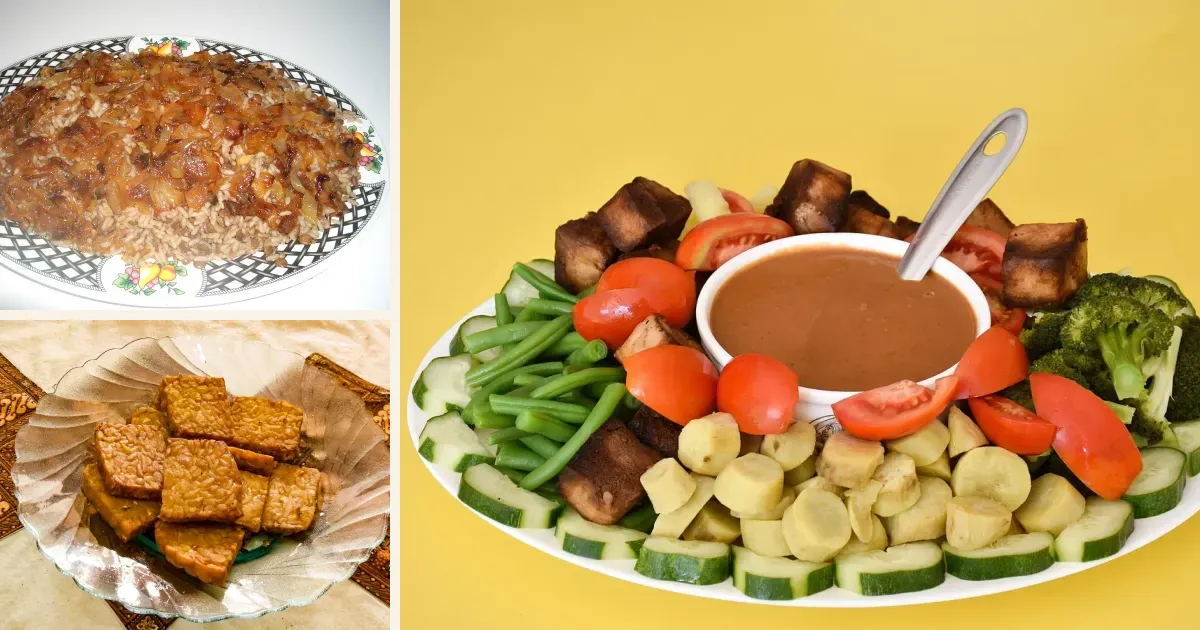
That figure looks large until you break it down. A plate of mujaddara already covers a third of the day. Hummus with bread carries about ten grams. The total adds up without any special effort.
The foods that actually carry it
Pulses come first by a wide margin. A hundred grams of dry lentils holds 25 grams of protein, as much as the same weight of meat, at a twentieth of the price.
| Food (100 g dry) | Protein |
|---|---|
| Lentils | 25 g |
| Chickpeas | 19 g |
| Black beans | 21 g |
| Tempeh | 19 g |
| Firm tofu | 15 g |
| Quinoa | 14 g |
| Bulgur | 12 g |
Eggs and dairy fill the gap easily if you are not vegan. One egg carries 6 grams, a hundred grams of feta carries 14.
The amino acid story
You will read that you must “combine” grains and pulses at every meal to get complete protein. That idea comes from a book written in the seventies, and its author corrected it herself afterwards. The body keeps a pool of amino acids for several hours. Eating varied food across the day is enough.
That said, traditional cuisines made this pairing long before any theory existed. Rice and lentils in Lebanon, maize and beans in Mexico, semolina and chickpeas across the Maghreb. Those dishes are balanced because generations adjusted them. We follow the same pairing, from Algeria to Kenya, in our article on high-fiber vegetarian meals, since the grain and the pulse each bring their share.
Three ways to stop thinking about it
Cook pulses ahead. One pot of lentils or chickpeas on Sunday gives you the base of four meals, from a chana masala to a cold salad. They keep five days in the fridge and freeze well.
Keep firm tofu and tempeh to hand. Tempeh is the richer of the two and its nutty flavour stands up better to spices, as a tempeh goreng fried with sambal shows.
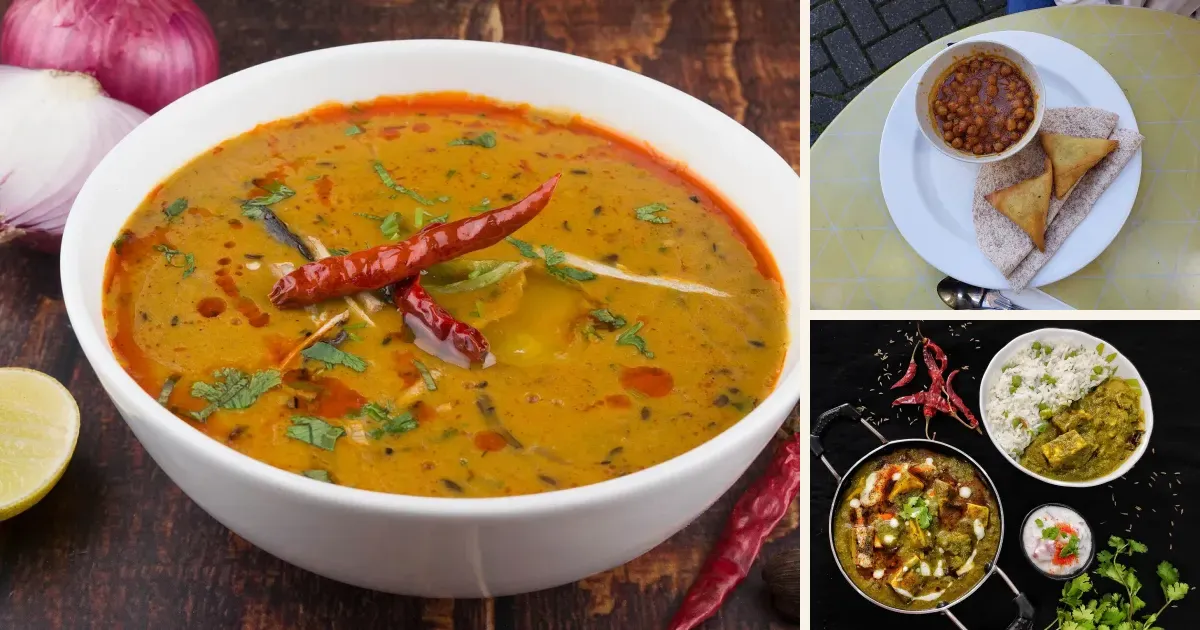
Lean on dishes that already do the work. Indian dal, Indonesian gado-gado and Lebanese mujaddara are not substitute meals: they are complete dishes that whole cuisines have eaten for centuries.
The one nutrient that does need attention
It is not protein, it is vitamin B12. No plant food carries it in a usable form. A vegetarian diet with eggs and dairy supplies enough. A vegan diet needs a supplement, that part is not negotiable, and it costs a few euros a year.
Keep an eye on iron and zinc too, both absorbed better alongside vitamin C. A squeeze of lemon over lentils is not only about taste. Turmeric follows a similar logic: its curcumin is absorbed better with a fat and black pepper, a point covered in how an anti-inflammatory diet works in the kitchen.